Enhancing RPE Metabolism to Protect Cone Vision in Retinitis Pigmentosa
Boosting RPE Metabolic Support Offers a Promising Gene-Independent Strategy for RP Treatment
A Striatech .pdf Case Study
Retinitis Pigmentosa (RP) remains one of the most genetically diverse retinal diseases, making mutation-specific therapies challenging. This case study highlights new research from Chandler, Gardner, and Cepko at Harvard Medical School demonstrating that enhancing metabolic function in the retinal pigment epithelium (RPE) can protect cone photoreceptors across RP models, independent of the underlying genetic cause.
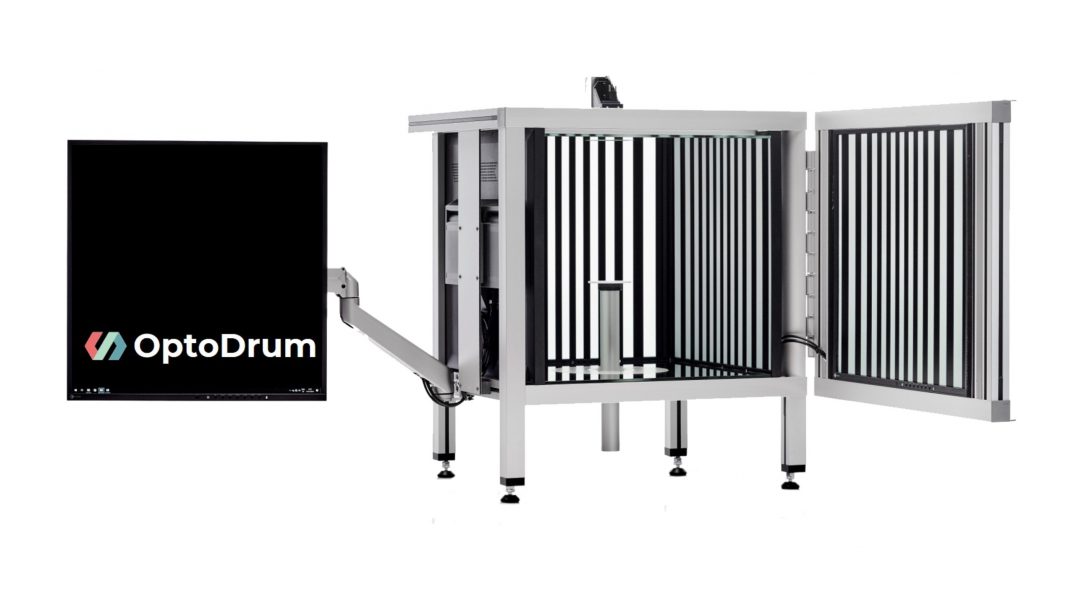
OptoDrum plays a key role in evaluating cone-mediated visual function in RP models
Using an AAV vector to boost the high-affinity lactate transporter MCT2 in RPE cells, the researchers increased lactate uptake, reduced RPE glycolysis, and preserved more glucose for cones. Across several rod-degeneration models, this metabolic enhancement improved cone survival and briefly delayed vision loss.
Striatech’s OptoDrum provided the quantitative visual acuity measurements confirming this functional rescue. While not a complete halt to degeneration, the results show that strengthening RPE metabolism can meaningfully extend cone function, positioning metabolic rebalancing as a promising gene-agnostic therapeutic approach for RP.
The implications of this research are substantial, positioning metabolic rebalancing as a promising gene-agnostic therapeutic avenue for RP. To explore the full findings and understand how RPE-targeted metabolic support may shape the future of treatment, download the full case study now.
To download the full .pdf case study for free, please complete the form.
DOWNLOAD THE FULL .PDF CASE STUDY