Easy-to-Use Microfluidic Platform for Cell Culture Under Flow
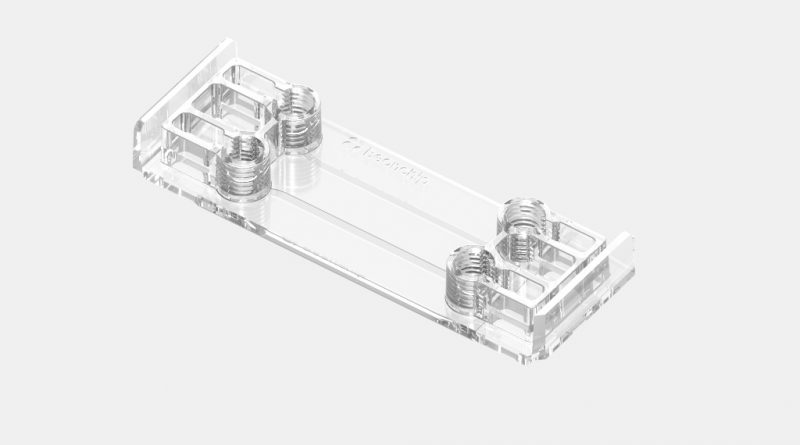
The easy-to-use microfluidic platform, Be-Flow, is designed as a simple and accessible solution for performing long-term 2D cell culture under continuous perfusion and biomimetic shear flow conditions. The platform consists of two independent microfluidic channels that enable parallel experiments while maintaining precise control over shear stress, a critical parameter in vascular and endothelial biology. This streamlined architecture makes Be-Flow particularly well suited for studies where mechanical forces influence cellular behaviour, gene expression, and functional responses.
Be-Flow Standard is engineered for ease of use and rapid experimental setup, allowing researchers to implement flow-based culture models without complex instrumentation. Its compatibility with a wide range of perfusion approaches supports both exploratory and routine in vitro studies requiring reproducible flow exposure. Be-Flow is also available in custom configurations, allowing researchers to extend the platform to long-term 2D culture depending on experimental needs.
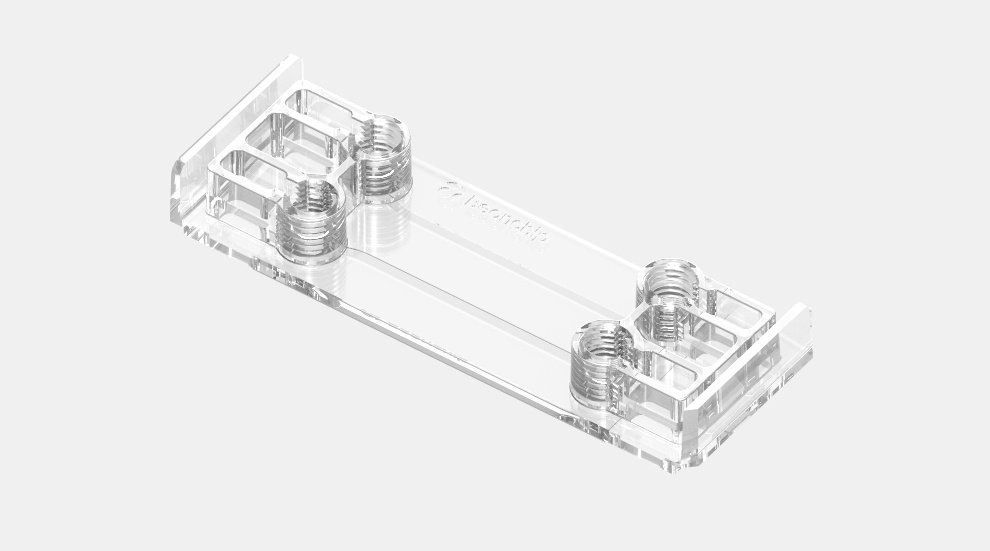
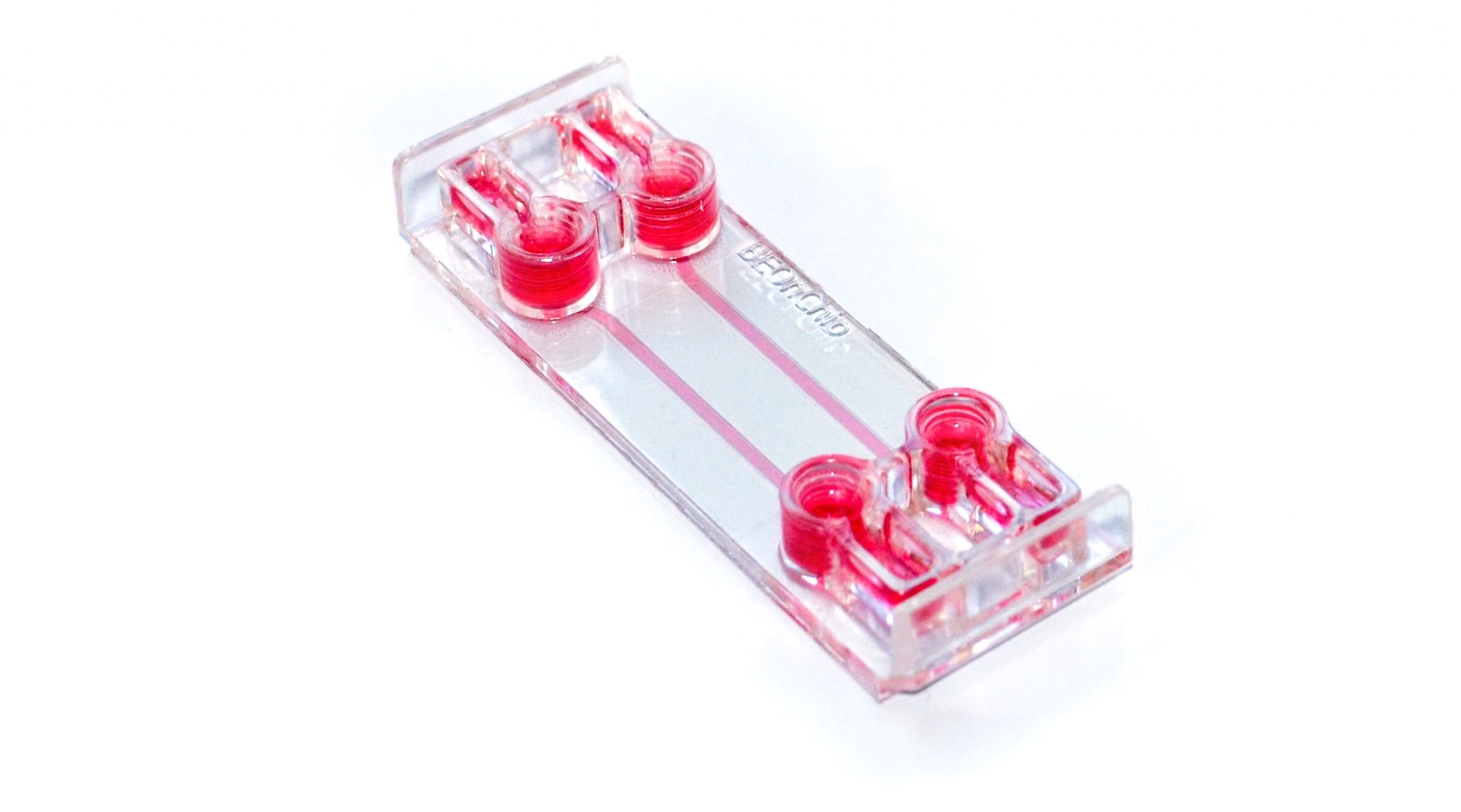
Simple Microfluidic Platform for Long-Term Culture Under Flow
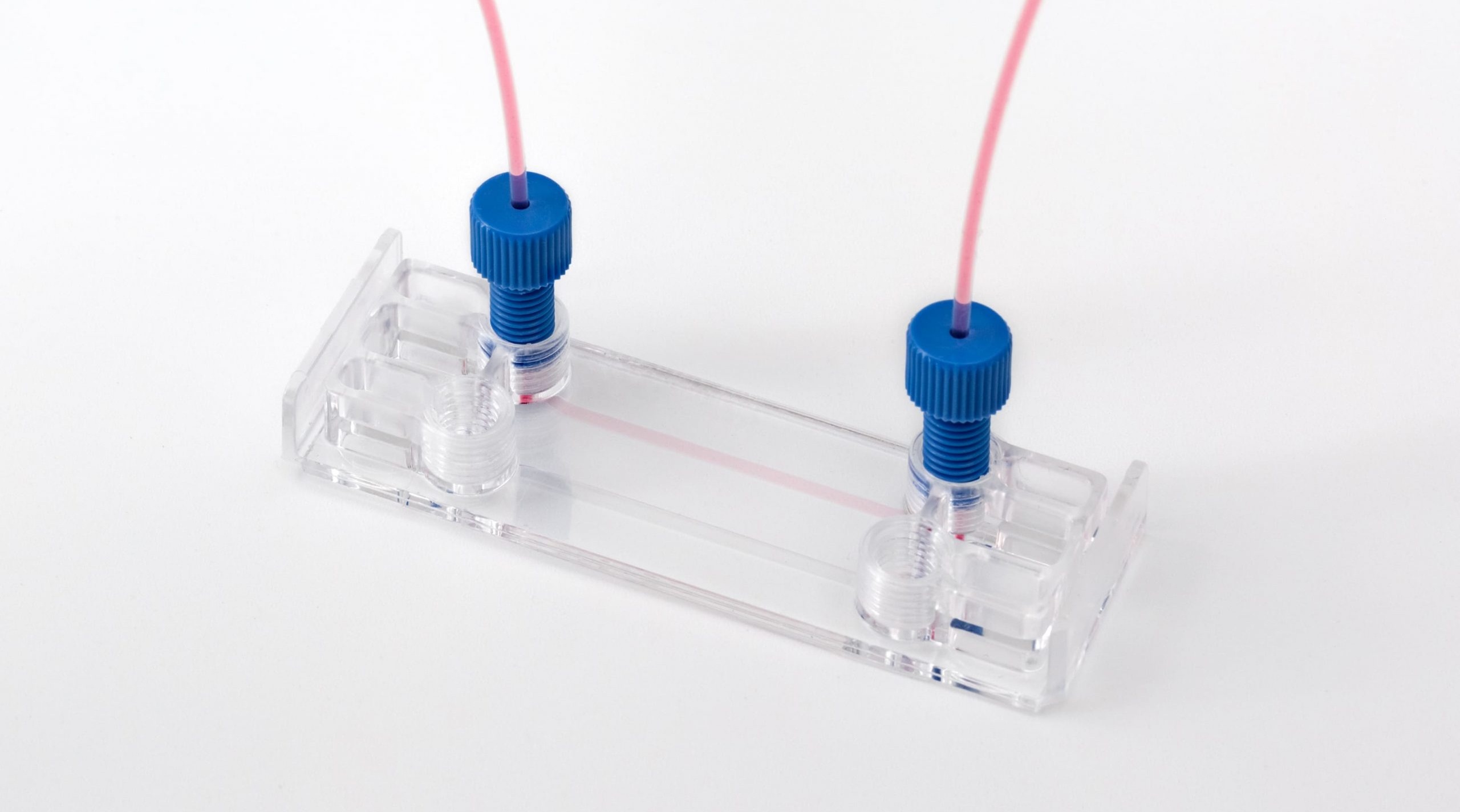
The Be-Flow microfluidic platform enables long-term 2D cell culture in two fully independent channels, supporting experiments that require sustained exposure to defined shear stress conditions. Each channel can be perfused independently, allowing researchers to apply different flow rates or experimental conditions within the same device. This flexibility supports comparative studies while reducing experimental variability.
It is compatible with any microfluidic pump system and can also be operated using a simple rocker. Integrated fluid reservoirs positioned at the inlet and outlet wells allow gravity-driven flow, making Be-Flow accessible to laboratories without specialised microfluidic infrastructure.
Optimised for Vascular and Shear Stress–Driven Research
The easy-to-use microfluidic platform is particularly suited for vascular research, where shear stress plays a central role in regulating endothelial phenotype and gene expression. Endothelial and lymphatic vessel models can be studied under flow conditions relevant to vascular homeostasis, immune cell trafficking, and inflammatory responses. The controlled flow environment enables investigation of mechanotransduction pathways, endothelial activation, and functional responses to physiological and pathological shear profiles.
By supporting stable long-term culture under flow, the microfluidic platform allows researchers to study adaptive cellular responses that cannot be captured in static systems. This makes Be-Flow a practical tool for modelling vascular conditions relevant to inflammation, thrombosis, and cardiovascular disease. In addition to vascular applications, the platform supports simple epithelial models exposed to physiological shear stress, including intestinal and renal epithelia.
Robust Fluidic Connectivity and Bubble-Free Operation
The design of this microfluidic platform incorporates screw-like inlet and outlet wells that enable secure connection to tubing and external perfusion systems. Beonchip’s patented inlet and outlet design prevents the introduction of air bubbles during connection, ensuring uninterrupted flow and protecting fragile cell monolayers.
Evaporation reservoirs located adjacent to the medium reservoirs can be filled with PBS or water during incubation, helping to maintain stable culture conditions over extended experimental periods, particularly before connecting to a perfusion system. This design supports reliable long-term experiments with minimal user intervention.
Studying Circulating Particles in 2D Flow-Based Models
Be-Flow enables investigation of circulating particles under physiologically relevant flow conditions using simplified 2D culture models. Researchers can study interactions involving circulating tumor cells, immune cells, vesicles, nanoparticles, encapsulated drug formulations, bacteria, fungi, and viruses in a controlled shear environment. The platform also supports rolling and adhesion assays to investigate leukocyte–endothelium interactions under flow.
The microfluidic device supports cell culture on all internal surfaces, including top and bottom walls, expanding experimental possibilities beyond conventional planar systems. The platform can additionally support biofilm studies, where flow influences bacterial adhesion, growth, and functional behaviour. Co-culture of two different cell types in monolayer configurations is also possible, enabling more complex interaction studies while retaining experimental simplicity.
Accessible Platform for Flow-Based In Vitro Research
By combining straightforward operation with robust flow control, Be-Flow lowers the barrier to adopting microfluidic culture systems. Its ease of use makes it suitable for both experienced microfluidics users and laboratories new to flow-based cell culture, supporting reproducible experimentation across a wide range of applications.
For researchers seeking a practical entry point into shear-stress-driven biology, Be-Flow provides a reliable and adaptable solution for vascular research, epithelial models, and circulating particle studies.
Custom Configuration Options for Advanced Flow-Based Studies
For research programmes requiring additional experimental flexibility, Be-Flow is also available in a custom configuration of channel height and width. The Be-Flow Custom option extends the microfluidic platform’s capabilities to support long-term 2D cell culture under flow in two independent microfluidic channels. As with the standard version, the device remains compatible with any microfluidic pump system and can be operated using a simple rocker, enabled by fluid reservoirs positioned at the inlet and outlet wells.
This custom configuration allows researchers to adapt the platform to specific biological models and flow conditions, while retaining the ease of use that defines Be-Flow Standard. Be-Flow Custom is ideal for vascular research applications where precise control of shear stress is essential for studying gene expression, cellular adaptation, and mechanobiology-driven responses under dynamic flow.
Features & Benefits of the Be-Flow Platform
Main Features
- Two independent microfluidic channels for parallel 2D cell culture under flow
- Long-term culture capability with controlled shear stress
- Compatibility with all microfluidic pump systems and rocker-based operation
- Secure screw-type inlet and outlet wells for reliable fluidic connections
- Patented inlet and outlet design to prevent bubble introduction
- Evaporation reservoirs to maintain stable incubation conditions
- Support for 2D culture on multiple channel walls
- Compatibility with co-culture of two different cell types in different channels
- Custom configuration available to support long-term 2D culture under flow
Key Benefits
- Enables reproducible shear stress studies relevant to vascular biology
- Supports research of gene expression regulated by mechanical forces
- Facilitates circulating particle studies under physiologically relevant flow
- Reduces technical complexity for flow-based cell culture experiments
- Provides a robust and accessible platform for long-term in vitro research
For more information, please contact Beonchip today.

Quick Contact Beonchip