Advanced Dual-Channel Microfluidic Platform
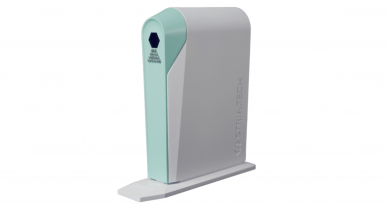
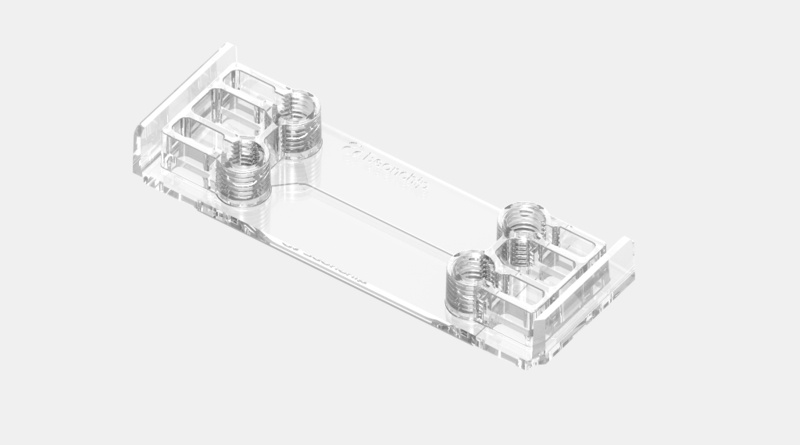
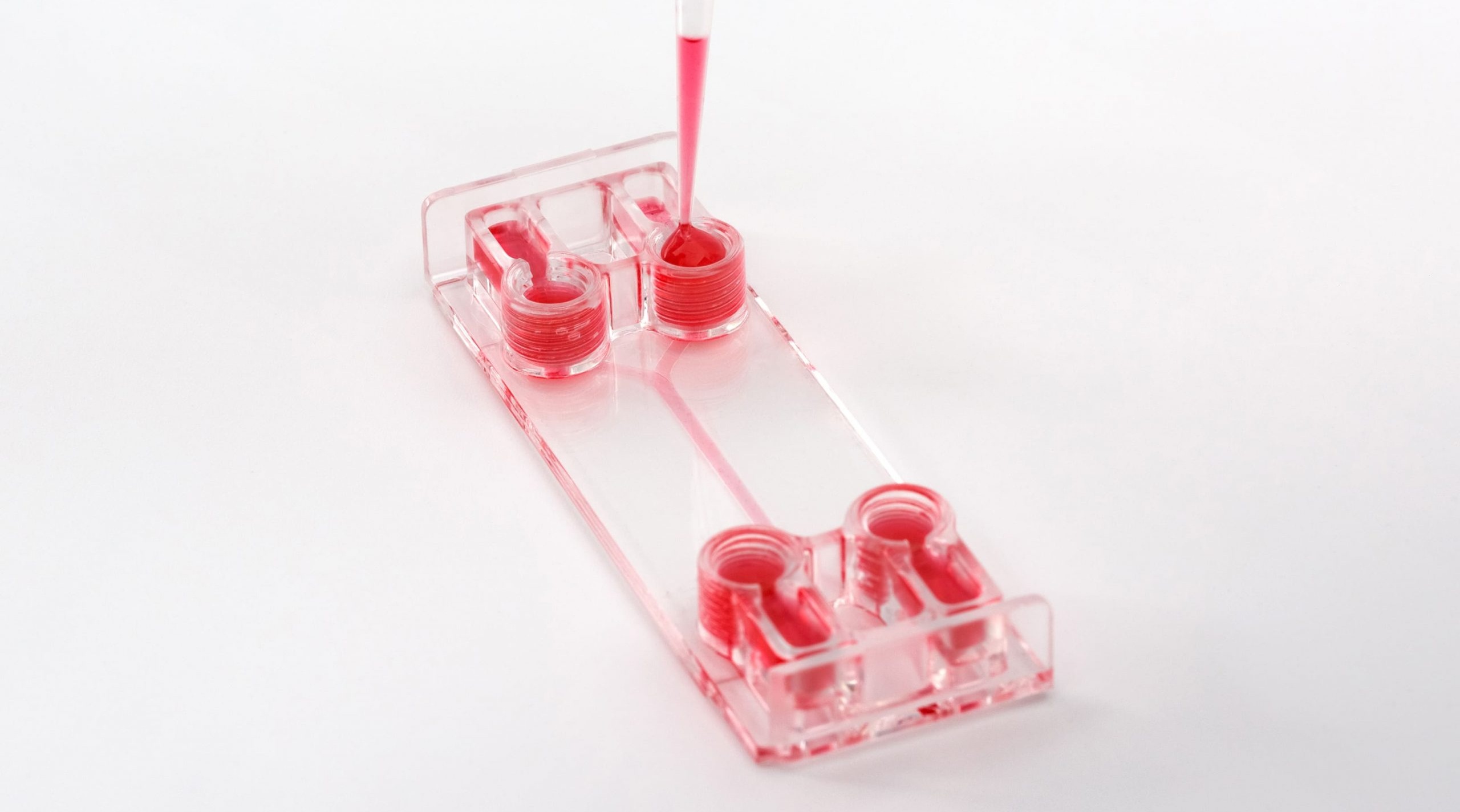
The advanced dual-channel microfluidic platform Be-Doubleflow is designed to support biomimetic coculture under dynamic flow conditions. The platform consists of two fully perfusable channels separated by a porous membrane, allowing controlled interaction between distinct 2D and 3D cellular compartments. This architecture enables researchers to investigate cellular crosstalk, barrier function, and transport phenomena in environments that closely replicate physiological and pathological conditions relevant to human diseases.
Be-Doubleflow is available in both standard and custom configurations, allowing researchers to choose a ready-to-use platform or a tailored solution aligned with specific experimental requirements.
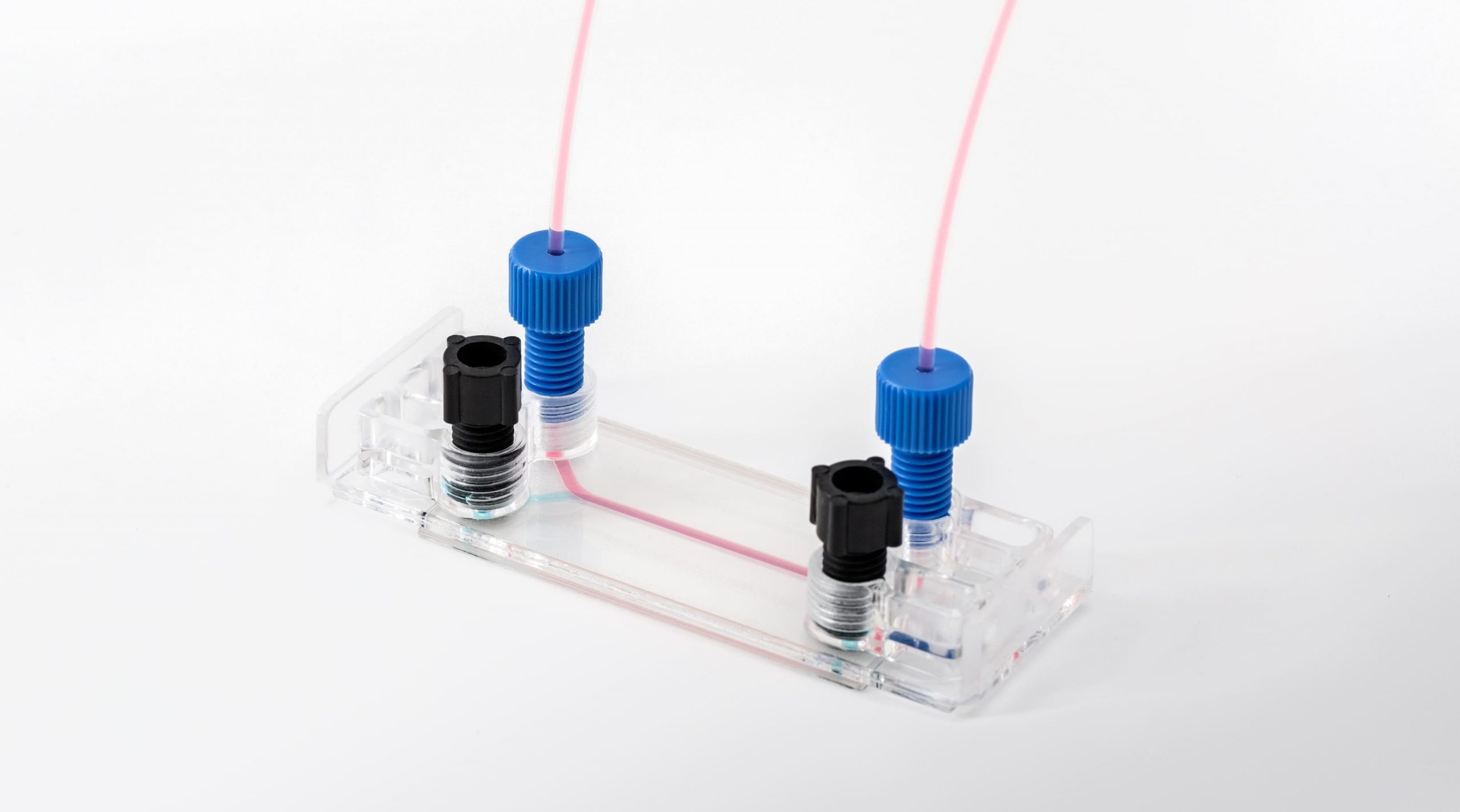
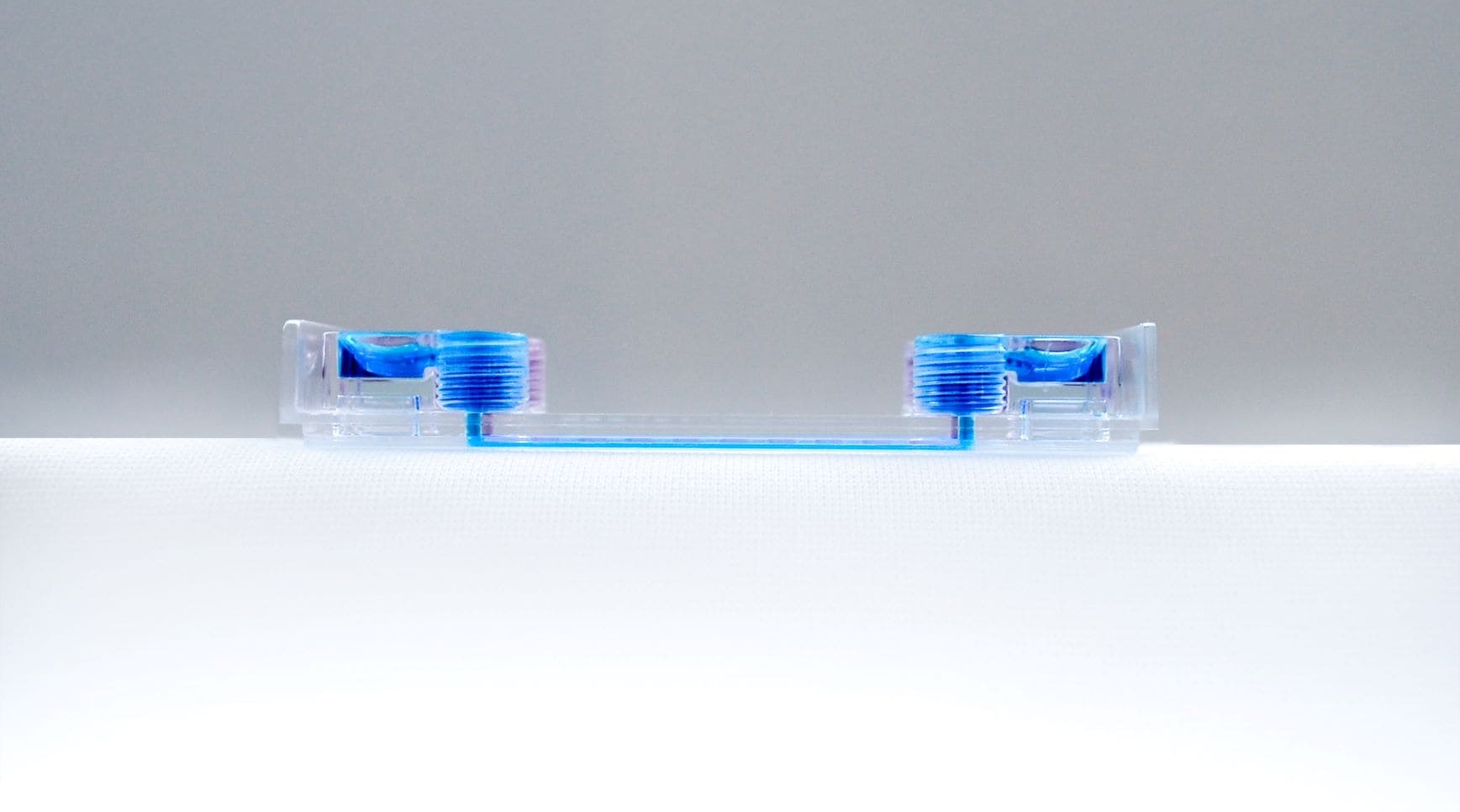
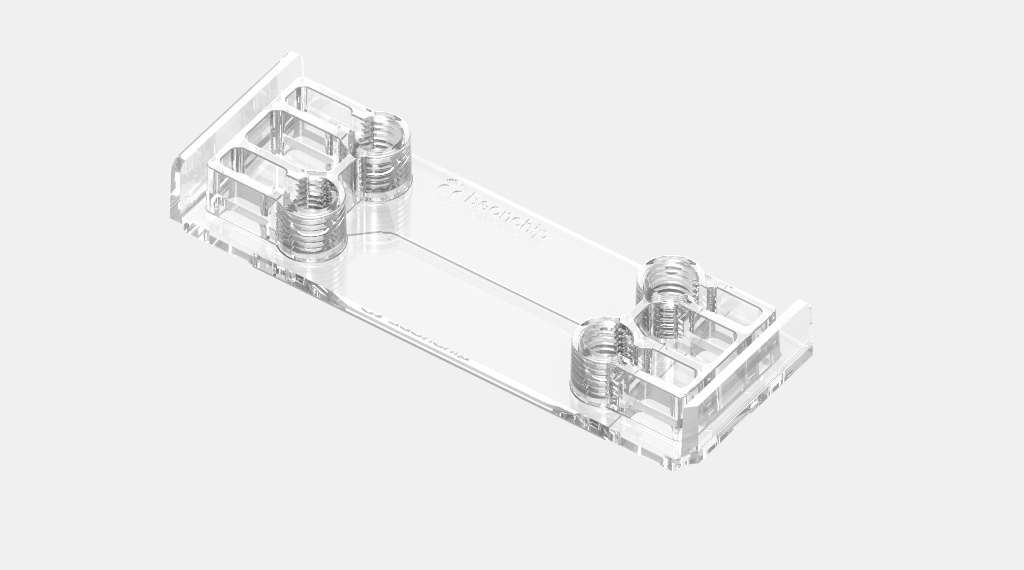
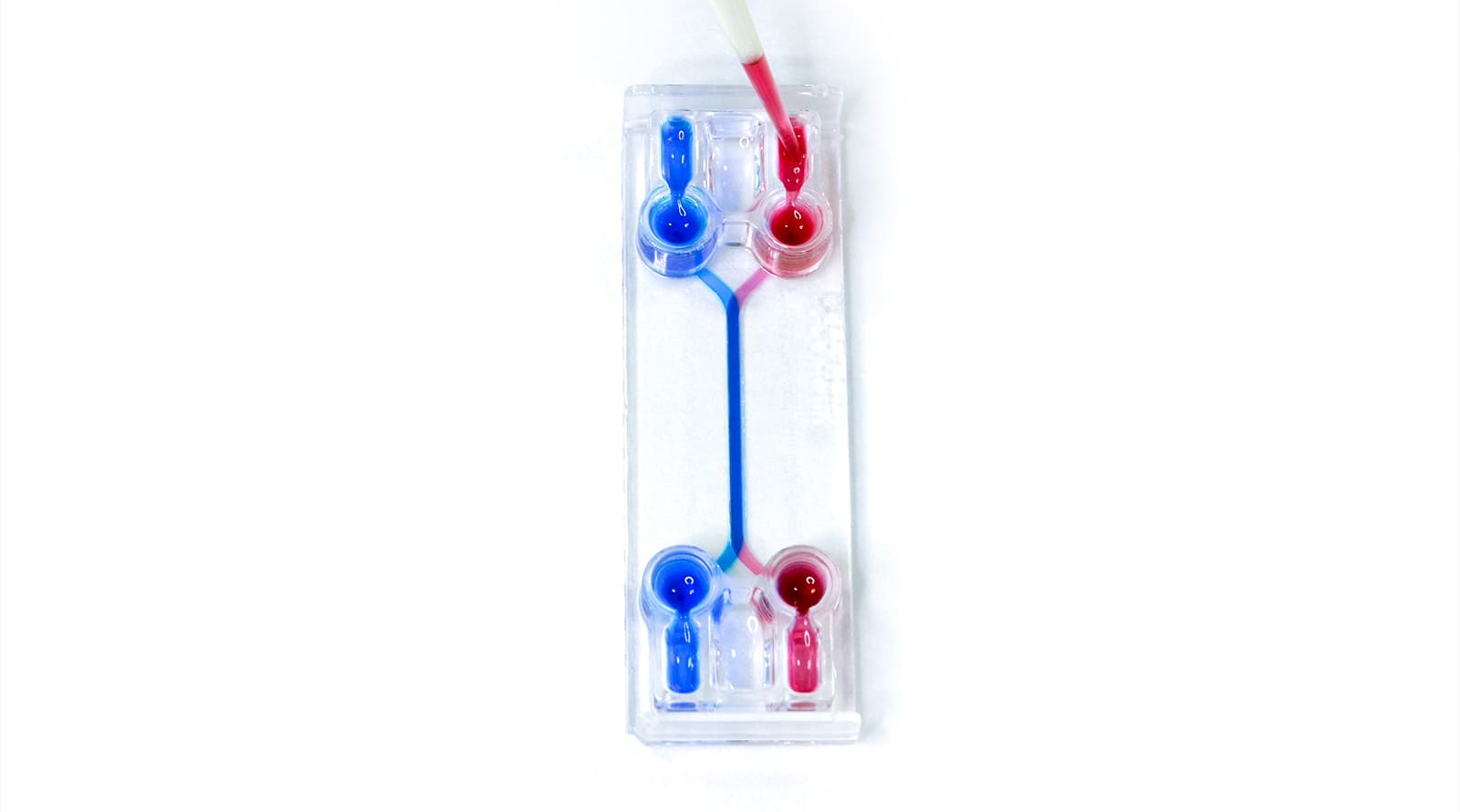
Dual-Channel Microfluidic Platform for Biomimetic Coculture
The dual-channel microfluidic platform is particularly suited for pharmaceutical and biomedical researchers seeking to model complex biological interfaces where flow, shear stress, gas control, and intercompartmental flux play a critical role. By supporting dynamic coculture under controlled conditions, Be-Doubleflow enhances the translational relevance of in vitro studies across drug discovery, toxicology, and disease modeling.
Advancing Dynamic Coculture and Barrier Modeling
Be-Doubleflow Standard enables precise investigation of epithelial–endothelial and tissue–vascular interfaces by allowing independent perfusion of both channels while maintaining controlled communication through a porous membrane. Researchers can tailor the efficiency of molecular and cellular exchange by selecting membrane pore sizes optimised for specific applications.
This capability is particularly valuable for modeling organ-specific barriers such as lung, gut, kidney, liver, and ocular tissues, where shear stress and flux influence cellular behavior, permeability, and drug response. The platform supports physiologically relevant flow profiles, providing a robust environment for studying transport mechanisms, tissue integrity, and disease-associated barrier dysfunction.
Gas-Controlled Environments for Hypoxia and Ischemia Research
Designed with advanced gas control capabilities, Be-Doubleflow is an optimal solution for studies requiring hypoxic, anaerobic, or ischemia–reperfusion conditions. Oxygen availability can be modulated through perfused media, allowing researchers to reproduce cellular microenvironments that are critical in many pathological states. This feature makes the platform especially suitable for intestinal microbiota research, where anaerobic conditions are essential, as well as ischemia–reperfusion injury models relevant to cardiovascular, renal, and hepatic diseases.
Studying Circulating Particles and Cellular Dynamics Under Flow
Be-Doubleflow provides a powerful platform for investigating the effects of circulating particles under physiologically relevant flow conditions. The dual-channel design allows researchers to study interactions involving immune cells, circulating tumor cells, bacteria, viruses, vesicles, nanoparticles, and encapsulated drug formulations.
The system is ideal for rolling and adhesion assays, enabling detailed analysis of leukocyte adhesion, endothelial activation, and subsequent diapedesis and transmigration. These capabilities are essential for research into inflammation, cancer metastasis, immune responses, and targeted drug delivery, supporting mechanistic insights that are difficult to obtain with static culture models.
Versatile Support for 2D, 3D, and Organoid-Based Models
Be-Doubleflow accommodates both 2D and 3D cultures within the same device, facilitating complex coculture strategies that more accurately reflect in vivo tissue organisation. Organoids can be unfolded directly onto the porous membrane, enabling direct interaction with adjacent cell layers under flow and shear stress.
The platform also supports muscle–vasculature coculture models, invasion and migration assays, and metastasis studies, where controlled compartmentalisation and selective permeability are essential. This versatility allows researchers to design highly customised experimental systems tailored to specific biological questions and therapeutic targets.
Seamless Integration with Analytical Techniques
To support comprehensive experimental workflows, Be-Doubleflow is compatible with a wide range of downstream analytical techniques. These include high-resolution live and fixed-cell microscopy, immunofluorescence imaging, permeability assays, and optical mapping. Cells and media can be readily extracted for flow cytometry, qPCR, western blot analysis, or plate-reader–based assays, ensuring smooth integration with established laboratory protocols.
Automation-ready liquid exchange and precise flow control further enhance reproducibility and scalability, making the platform suitable for both exploratory research and more advanced preclinical studies.
Custom Configuration Options for Advanced Research Needs
For research programmes requiring a higher level of experimental specificity, Be-Doubleflow Standard is also available in a custom configuration. The Be-Doubleflow Custom option allows modification of channel dimensions, membrane pore size, and base type to better match defined flow regimes, shear stress conditions, and intercompartmental flux requirements. This flexibility enables the development of highly tailored in vitro models for hypoxia-driven studies, circulating particle assays, and complex endothelium–epithelium barrier investigations, supporting more precise and physiologically relevant preclinical research outcomes.
Transformative Tool for Preclinical and Drug Discovery Research
The advanced dual-channel microfluidic platform represents a significant advancement in organ-on-chip and biomimetic coculture technology. By combining dual perfusion, gas control, and customisable membrane properties, the platform enables in vitro models that more closely reflect human physiology and disease states. This improved physiological relevance enhances the predictive power of preclinical studies, supporting better decision-making in drug development pipelines.
For pharmaceutical and biotech research facilities, Be-Doubleflow Standard offers a robust, flexible, and future-ready solution for studying complex biological interactions, accelerating the transition from experimental insight to therapeutic innovation.
Features & Benefits of the Be-Doubleflow Standard
Main Features
- Dual perfusable microfluidic channels connected by a porous membrane
- Customisable membrane pore sizes to control intercompartmental interaction
- Support for 2D and 3D cultures, including organoids
- Gas-controlled environments for hypoxia, anaerobiosis, and ischemia–reperfusion
- Physiologically relevant flow and shear stress in both channels
- Compatibility with advanced imaging and molecular analysis techniques
Key Benefits
- Enables biomimetic modeling of epithelial–endothelial barriers under flow
- Supports studies of circulating particles, immune interactions, and metastasis
- Enhances the physiological relevance of in vitro disease models
- Improves translational value in preclinical and drug discovery research
- Facilitates reproducible, scalable, and customizable experimental designs
For more information, please contact Beonchip today.

Quick Contact Beonchip